Blog
See how Philtec fiber optic sensors solve measurement challenges in aerospace, energy, cryogenics, medical technology, vacuum systems, high-pressure environments, and advanced research applications.
Philtec’s D Model Sensors and Their High-Frequency Capabilities
Philtec's D Model Sensors are renowned in the industry for their outstanding high-frequency performance. Designed to meet demanding requirements, these sensors exceed the standard frequency bandwidths, providing unparalleled operational excellence. In this article, we...
Gamma Radiation Threshold Levels
Threshold dose Levels in Borosilicate Glass Fibers <50 rad (very low dose) No detectable changes in structure, optics, or mechanics. Any induced defects are below detection limits of spectroscopy. 10² – 10³ rad (100–1,000 rad) Beginning of trace radiation-induced...
Low Dosage Gamma Radiation
Gamma radiation can interact with borosilicate glass fibers primarily by producing ionization and electronic defects in the glass network. At very low doses (<50 rad, or <0.5 Gy), the effects are generally minimal, but a few points are worth noting: Optical...
Fiber Optic Cable Configurations
Philtec Fiber Optic sensors can make displacement measurements inside of mechanisms, machinery and vacuum chambers. To gain access to the measurement locations, Fiber Optic cables may be connectorized for the probe tips to be separated from the electronics. In some...
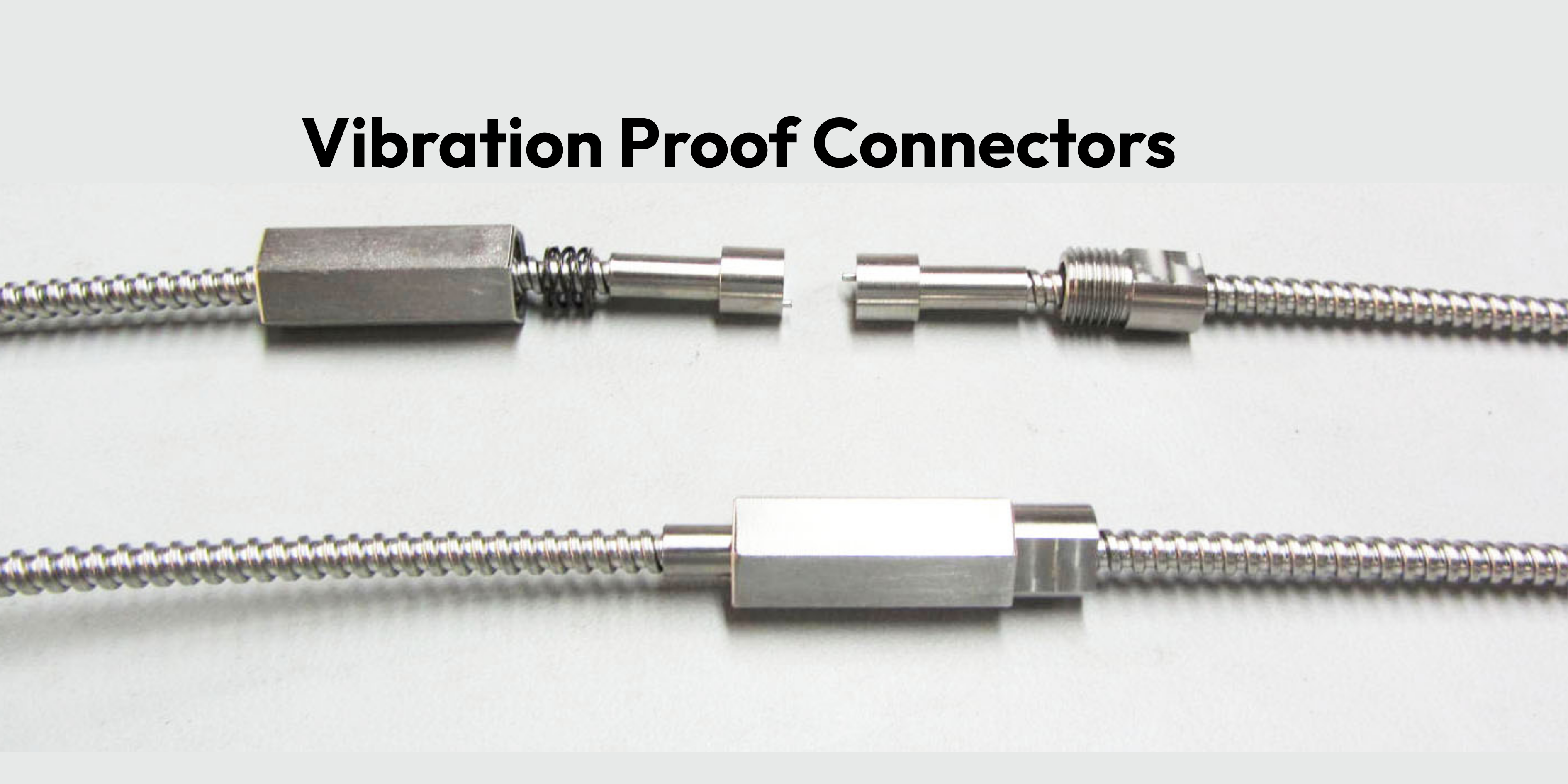
Vibration Proof Connectors
For applications where probes and fiber cables...
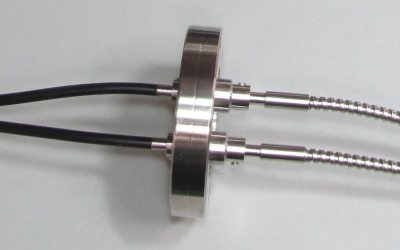
CONNECTORIZED SENSORS
Where it is desirable to be able to separate the...
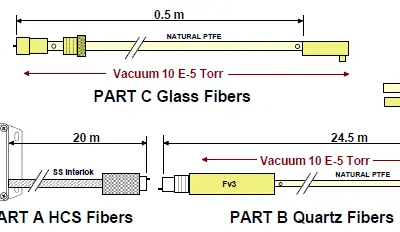
Long Length Fiberoptic Cables
PROBLEMQuartz fibers have excellent transmission...
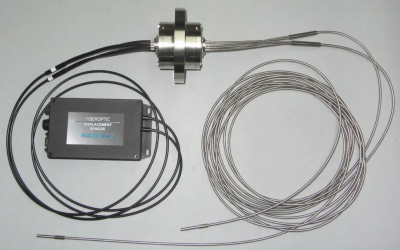
Sensors for Space Telescope Lens Testing
The Euclid Satellite project a good example of...
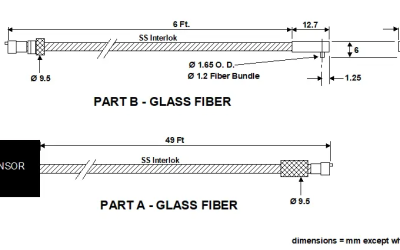
Measuring Embedded Objects
Tiny 90° Probes Philtec specializes in the...
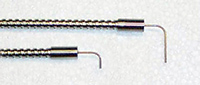
Custom Probes
Special Probes Made To Customer Requirements...
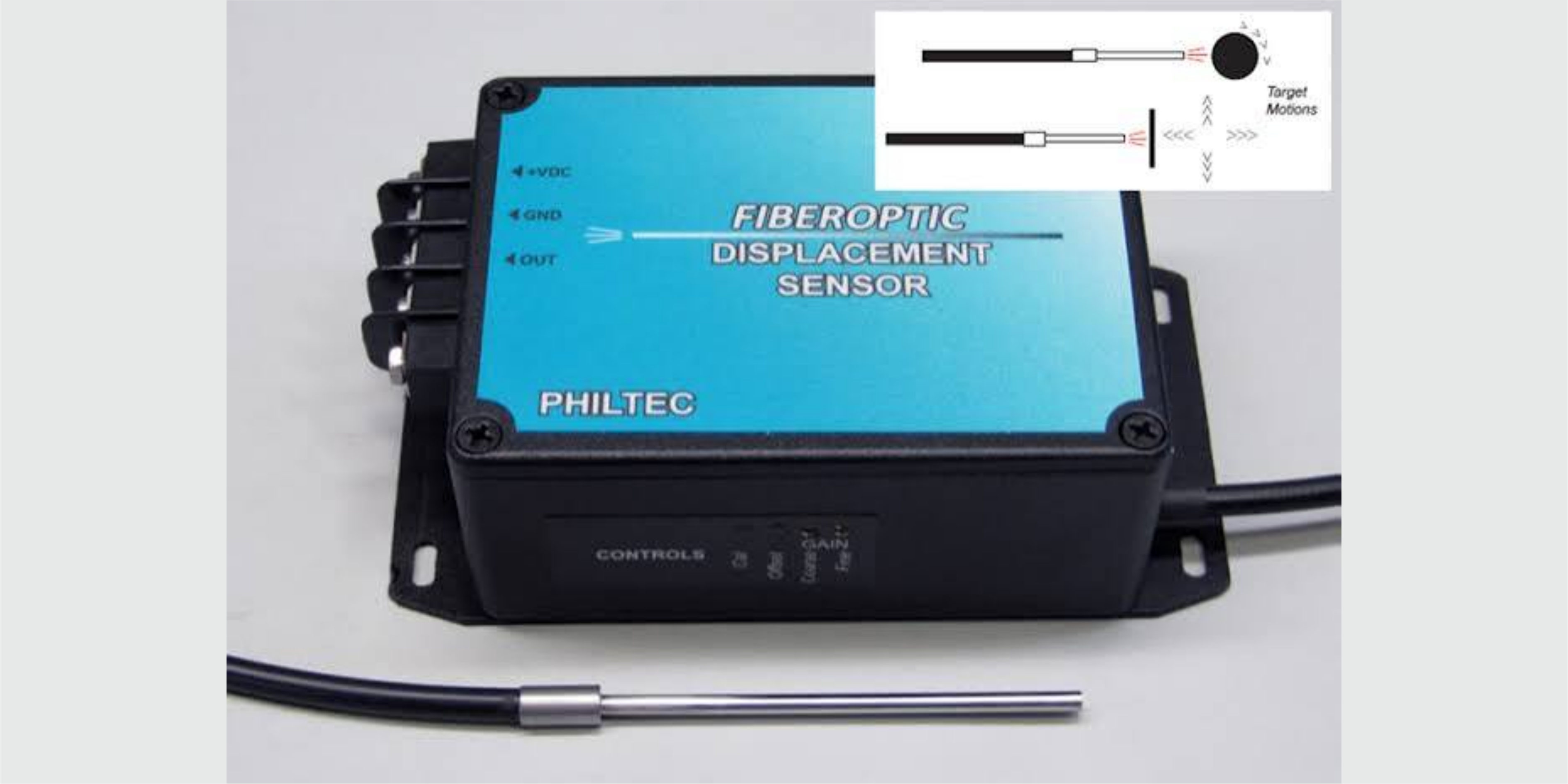
Space Telescope Lens Tests
It's not often we discover how well Philtec...
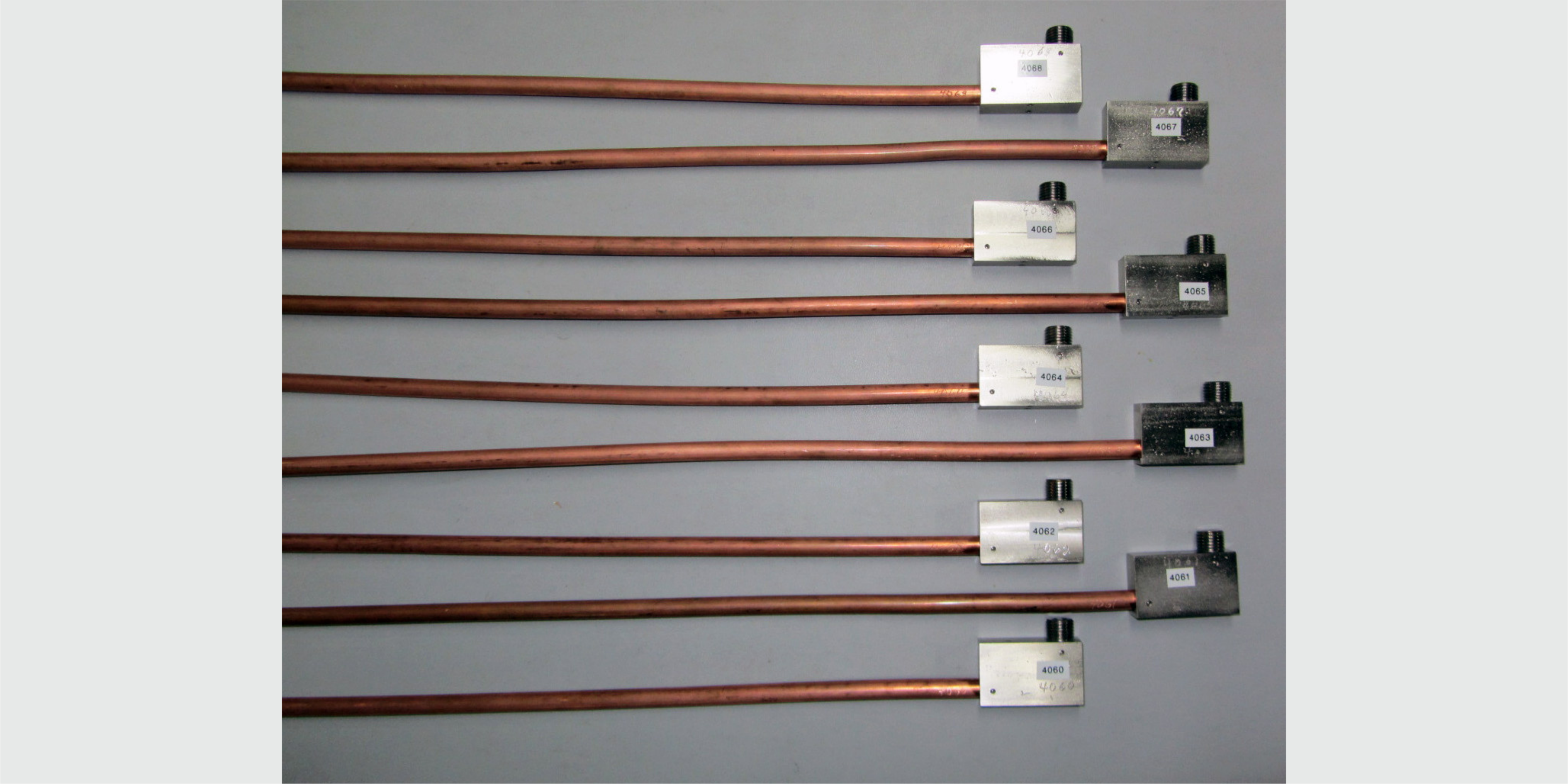
SENSORS for 400°C
CUSTOMER FEEDBACK "We just got some feedback...
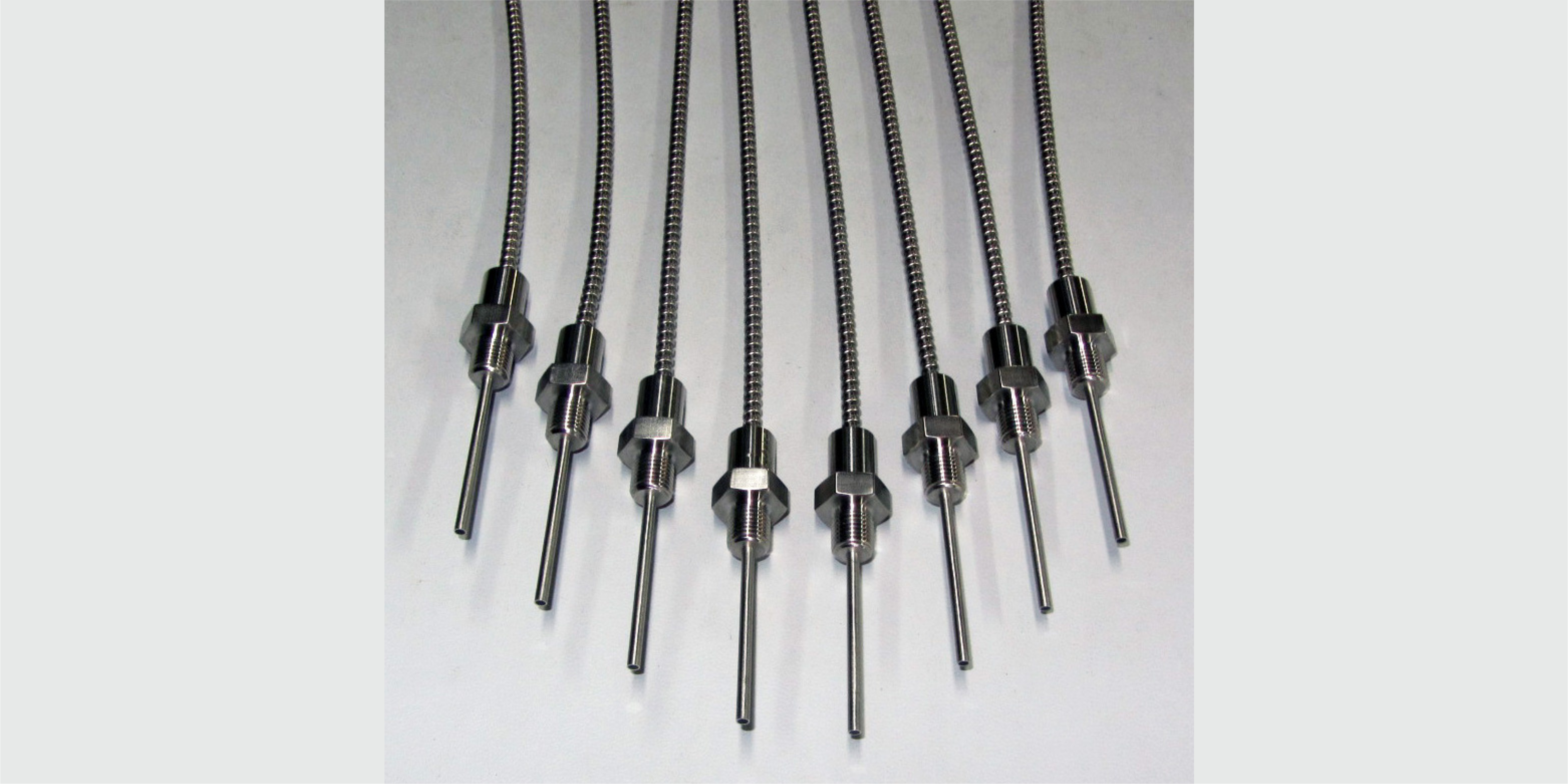
Probes for Cryogenic Turbo Pumps
Philtec builds custom displacement sensor...
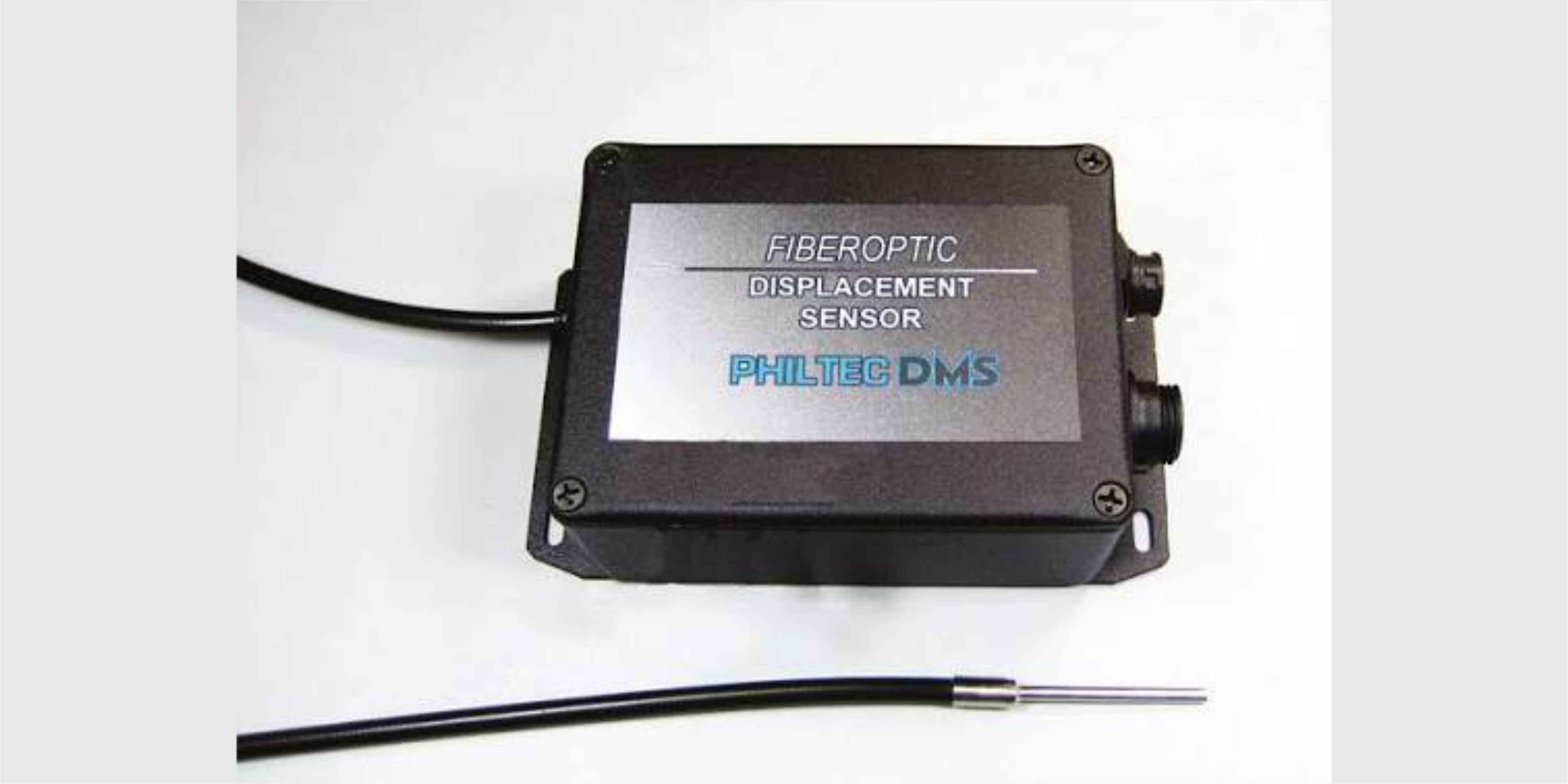
1000°F Application
CUSTOMER FEEDBACK "I wanted to let you know the...
High Pressure Applications
There are three options for sealing the leak...
An Interview With The Founder of Philtec
https://youtu.be/Qs-Lcyvdtus